
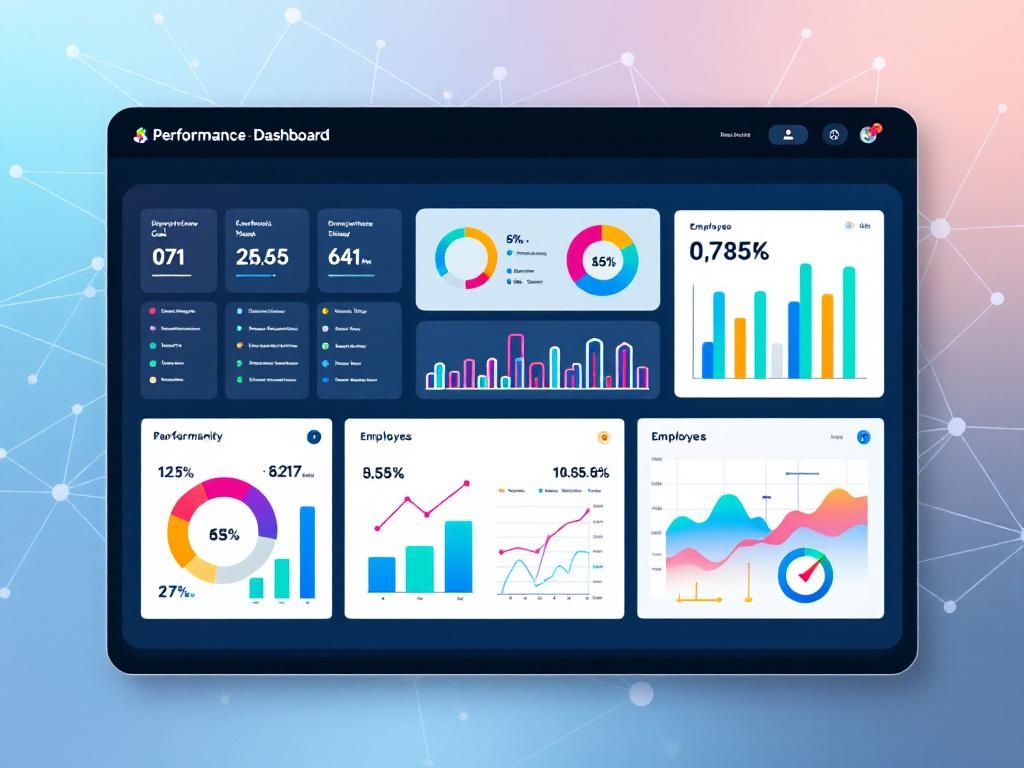
Performance Management Systems (PMS)
Performance Management Systems (PMS) serve as essential tools that connect individual employee contributions to broader company goals through organized goal-setting and ongoing feedback loops. The functions of performance management systems include distributing organizational objectives to personal targets, applying SMART goal techniques, and fostering transparency that helps employees see how their work directly impacts company success.
Key Takeaways
- Performance management systems boost organizational performance by up to 22% through strategic goal alignment.
- SMART goal setting ensures clear, measurable, and achievable individual objectives.
- Continuous feedback approaches make performance conversations five times more meaningful compared to annual reviews.
- Real-time dashboards provide transparency and connect individual contributions to broader organizational goals.
- Effective performance management systems increase employee engagement and productivity by identifying strengths and development opportunities.
Proper goal alignment creates a clear path from company objectives to your daily tasks. Strategic performance management transforms abstract corporate missions into concrete actions you can take today. This alignment helps you understand exactly how your work contributes to larger initiatives.
SMART goals (Specific, Measurable, Achievable, Relevant, Time-bound) provide the structure needed for success. Rather than vague directives, these targeted objectives give you clear targets to hit. Research shows employees with defined goals outperform their counterparts by significant margins.
Modern performance management has shifted from annual reviews to regular check-ins. Continuous feedback systems create an environment where growth happens consistently, not just once yearly. This approach catches issues early and celebrates wins promptly.
Digital dashboards now offer real-time visibility into performance metrics. You can track progress against goals instantly, making adjustments before problems escalate. This transparency connects your daily efforts directly to company outcomes.
The best systems balance performance evaluation with development planning. By identifying both strengths and growth areas, these tools help you leverage talents while addressing skill gaps. Fair performance assessment leads to higher engagement rates and improved productivity across organizations.
“Performance Management Systems transform individual potential into organizational triumph by aligning personal goals with broader objectives, creating a culture of transparency and continuous feedback. By fostering strategic goal alignment and leveraging real-time insights, these systems empower employees to recognize their vital contributions, driving engagement and enhancing overall performance.”
Aligning Individual and Organizational Goals Through Performance Management
Performance Management Systems (PMS) serve as powerful tools for connecting company vision with employee actions. You’ll see remarkable alignment when the functions of performance management system include goal cascading—where organizational objectives flow down to individual targets. According to Gartner research, effective goal alignment through PMS can increase performance by 22%, while companies using continuous performance systems are 50% more likely to exceed their financial targets.
The goal-setting function of your performance management system creates a clear line of sight between daily work and strategic objectives. By implementing SMART goals (Specific, Measurable, Achievable, Relevant, Time-bound), you ensure employees understand exactly what success looks like and how their contributions matter.
Real-time dashboards represent another critical function of performance management system implementation, allowing you to monitor performance metrics that link team accomplishments to broader organizational goals. This transparency helps everyone see how their efforts contribute to the bigger picture.
Driving Productivity Through Continuous Feedback
The feedback function of performance management system frameworks transforms how teams collaborate and grow. Weekly feedback makes performance conversations five times more meaningful compared to annual reviews alone. This continuous approach helps you maintain accountability, with companies using modern PMS being 42% better at holding employees responsible for results.
When you implement consistent feedback cycles, you’ll notice engagement levels rise dramatically. Gallup reports that engaged employees guided by effective PMS are 18% more productive, while organizations with higher engagement see 17% greater productivity overall. For remote workers, the functions of performance management system become even more crucial—63% remain engaged when receiving frequent feedback.
Effective leadership through performance management improves team productivity by 25% according to Chicago Booth Review. By creating a structure for identifying strengths and addressing improvement areas, your PMS functions as both a productivity driver and talent development tool.
The talent identification function of performance management system implementation helps you recognize high-potential employees through data analysis. Superior talent is up to 8 times more productive according to McKinsey, making this one of the most valuable functions of performance management system frameworks. With 71% of employees feeling more motivated when their skills are properly identified, your PMS serves as the foundation for engagement and retention.

Driving Productivity and Performance with Continuous Feedback
Performance management systems provide vital functions of performance management that align individual efforts with organizational success. You’ll find these systems create a structured framework where goals cascade from company objectives to team targets and individual responsibilities. According to Gartner research, implementing effective performance management increases performance by 22%, while companies using continuous systems are 50% more likely to exceed their goals.
The core functions of performance management system include establishing clear expectations, measuring progress, and delivering actionable feedback. With real-time dashboards, you can track how your personal objectives connect to broader organizational aims, creating transparency and purpose in your work. The SMART goal methodology (Specific, Measurable, Achievable, Relevant, Time-bound) ensures your targets remain focused and attainable.
Productivity thrives with consistent performance tracking. Gallup reports engaged employees are 18% more productive, while organizations with higher engagement experience 17% greater productivity. Weekly feedback makes performance conversations 5 times more meaningful, with 80% of employees receiving regular feedback reporting full engagement. For remote teams, the functions of performance management system become even more crucial, as 63% of distributed workers remain engaged when receiving frequent feedback.
Maximizing Talent Development Through Performance Data
Modern performance systems excel at identifying your strengths and development areas. The functions of performance management system include analyzing competencies, highlighting performance gaps, and recognizing high-potential talent. Strengths-based development approaches increase engagement by 67% according to Gallup research.
The strategic planning benefits of these systems extend to succession planning and talent pool creation. With data-driven insights, your organization can make targeted investments in learning and development, resulting in a reported 96% improvement in employee growth (Betterworks).
The shift from annual reviews to continuous feedback represents a significant evolution in the functions of performance management system. Companies embracing this approach are 39% more effective at attracting talent and improve retention by 44%. Regular check-ins and 1:1 meetings facilitate timely course corrections and create capacity planning advantages for both individuals and teams.
By implementing collaborative goal-setting between managers and employees, you’ll establish mutual accountability and shared purpose. This partnership approach creates stronger alignment and commitment to outcomes, which is among the most valuable functions of performance management system in today’s workplace.

Identifying High Performers and Developing Talent
Your performance management system serves as a crucial tool for identifying top talent within your organization. Through systematic data analysis, it efficiently uncovers competencies, performance gaps, and high-potential employees. This capability is essential as superior talent can be up to 8 times more productive according to McKinsey research.
The functions of performance management system extend beyond identification to actively developing your workforce. When you implement strengths-based development approaches through your PMS, you’ll see engagement increase by 67% as reported by Gallup. This occurs because 71% of employees feel more motivated when their skills are properly identified and acknowledged.
Strategic Talent Development Functions
An effective performance management system transforms your approach to talent management in several ways:
- Creates data-driven talent pools for succession planning
- Supports targeted learning and development investments
- Enables personalized growth paths for each employee
- Identifies cross-training opportunities across departments
- Highlights mentoring relationships that benefit both parties
- Tracks skill development progress over time
- Connects performance outcomes to specific competencies
These functions of performance management system work together to produce remarkable results. Development conversations facilitated through your PMS increase effectiveness by 49% according to EY and DDI research. Organizations that implement integrated performance management report a 96% improvement in employee development outcomes (Betterworks).
Your talent development initiatives become more strategic when guided by performance data. By analyzing performance patterns, you’ll identify which teams need additional support and which individuals are ready for advancement. This approach ensures you’re not just managing current performance but also planning strategically for your organization’s future talent needs.
The functions of performance management system related to talent development create a continuous improvement cycle. As employees receive regular feedback and development opportunities, their engagement and productivity naturally increase, benefiting both individual careers and organizational outcomes.
Organizations that implement integrated performance management report a 96% improvement in employee development outcomes.
forbes.com
From Annual Reviews to Real-Time Performance Management
The traditional annual performance review is rapidly giving way to more dynamic approaches. Modern performance management systems (PMS) now emphasize ongoing feedback, regular check-ins, and real-time recognition rather than once-a-year evaluations. These systems fulfill several essential functions of performance management system implementation that drive organizational success.
You’ll find that continuous feedback systems improve talent retention by 44% while making companies 39% more effective at attracting top performers. This shift from periodic to ongoing evaluation creates numerous advantages for your organization. The functions of performance management system frameworks now extend beyond simple evaluation to create a culture of continuous improvement.
Key Functions of Modern Performance Management Systems
Continuous performance management aligns individual and organizational objectives through several critical mechanisms:
- Goal alignment and cascading – Performance management systems enable strategic goals to flow from leadership to teams and individuals, ensuring everyone works toward shared outcomes.
- Real-time feedback channels – Regular check-ins and digital feedback tools replace annual reviews with timely, actionable insights.
- Performance data analytics – Modern systems collect and analyze performance metrics to identify trends and opportunities.
- Skill gap identification – Continuous assessment highlights development needs before they impact results.
- Recognition and motivation – Immediate acknowledgment of achievements strengthens engagement.
- Agile performance correction – Quick identification of issues allows for immediate course correction.
These functions of performance management system implementation help your teams stay agile and responsive to changing conditions. When you implement strategic planning tips alongside continuous performance management, you create a powerful framework for organizational success.
The data shows how effective these systems can be. Companies using continuous PMS are 42% better at maintaining accountability and 50% more likely to exceed their goals. Your weekly feedback sessions make performance conversations five times more meaningful, with 80% of employees receiving regular feedback reporting full engagement.
Performance management systems also serve vital talent development functions. They identify high-potential employees through data analysis while providing insights for succession planning. When you establish employee professional development goals through your PMS, you can increase engagement by 67% according to Gallup research.
The functions of performance management system frameworks extend to remote work environments too, where 63% of employees remain engaged with frequent feedback. This adaptability makes modern PMS essential for today’s distributed workforce.