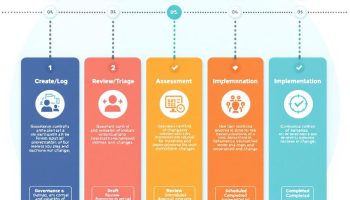

Unlocking Operational Excellence Through Automation
Good automation practices serve as essential guidelines for organizations aiming to boost efficiency through strategic technology implementation in 2025. These practices create a structured framework for identifying, implementing, and optimizing automated processes that transform operations while maximizing ROI.
Driving Business Value Through Strategic Implementation
Good automation practices remain crucial for enterprises in today’s competitive landscape, where operational efficiency directly affects market position. By following a ten-step approach—from setting clear objectives and conducting thorough process audits to building modular architectures and implementing continuous monitoring—you can systematically eliminate wasteful processes while redirecting talent toward high-value activities. This strategic approach cuts operational costs and improves agility, letting you adapt quickly to market shifts and customer needs while maintaining quality standards throughout your automated systems.
Good automation practices help you focus on what matters most—delivering value. Your teams can work smarter instead of harder when repetitive tasks run automatically in the background. The right automation strategy doesn’t just save time and money; it transforms how your business operates.
When you implement good automation practices, you’ll notice improved consistency across operations. Machines don’t have bad days or make random mistakes. They execute the same processes with precision every time, reducing errors and increasing reliability.
10 Good Automation Practices: Enhance Efficiency with Effective Strategies
In the ever-evolving landscape of business operations, employing good automation practices is essential for organizations seeking to enhance efficiency, reduce costs, and improve customer satisfaction. This section outlines ten pivotal practices that can help streamline your automation strategy and ensure you harness its full potential. By establishing clear objectives, conducting thorough process audits, and fostering human-machine collaboration, you lay a strong foundation for successful automation initiatives.
The list delves into actionable steps, from implementing robust data governance frameworks to creating comprehensive training programs for your workforce. By following these practices, you can not only optimize current workflows but also cultivate a culture of continuous improvement. Explore these essential strategies to drive your automation efforts forward and achieve sustainable organizational success.
“`html
1. Establish Clear Automation Objectives
Define specific, measurable goals for your automation initiatives to implement good automation practices effectively. Link each objective to tangible business outcomes such as cost reduction, error elimination, or improved customer experience. By establishing clear objectives, you create a strategic framework that guides implementation and provides benchmarks for success. Consider using the SMART methodology (Specific, Measurable, Achievable, Relevant, Time-bound) when defining these goals to ensure they provide meaningful direction. A strategic dashboard can help track progress toward these objectives and maintain alignment with broader organizational goals.
“`
2. Conduct Comprehensive Process Audits
Before implementing any automation solutions, you must thoroughly audit your existing processes to establish good automation practices. A detailed assessment helps identify inefficiencies, redundancies, and bottlenecks that could be addressed through automation. Process mining tools provide data-driven insights that reveal which workflows would benefit most from automation technologies.
When conducting these audits, document each step in current workflows and measure time spent on repetitive tasks. This baseline measurement allows you to accurately calculate potential ROI once automation is implemented. Post-implementation audits also serve as valuable benchmarks for measuring automation success later.
Consider these key components during your process audit:
- Process execution time and variability
- Error rates and quality issues
- Resource utilization and bottlenecks
- Compliance requirements and control points
- Decision points that require human judgment
Involve both operational staff and technical teams in your audit process. Those working directly with existing systems often provide critical insights about improvement opportunities that management might miss. With comprehensive process documentation, you can make strategic decisions about which process optimization methods will deliver maximum value through automation.
Expert Insight: Conducting comprehensive process audits before automation is crucial. Thoroughly document workflows and measure time on repetitive tasks to identify inefficiencies and calculate potential ROI. Involve operational and technical teams to gain insights and make informed decisions about the most valuable automation opportunities.
3. Prioritize High-Impact, Low-Complexity Processes
Implementing good automation practices requires strategic selection of which processes to automate first. Use a value-complexity matrix to identify processes offering high ROI potential with relatively lower implementation challenges. These “quick wins” build momentum and strengthen stakeholder buy-in for your broader automation initiatives.
Start by categorizing processes based on two key factors: potential business impact and implementation complexity. High-impact processes typically involve frequent, repetitive tasks that consume significant employee time or create bottlenecks in workflows. Look for processes with clear inputs and outputs, minimal exceptions, and structured data that make them ideal optimization candidates.
Consider these characteristics when selecting initial automation targets:
- High transaction volume with standardized steps
- Manual, repetitive tasks prone to human error
- Processes with measurable outcomes
- Operations with stable, well-documented workflows
- Tasks with limited decision points
Securing early automation successes creates positive reinforcement throughout the organization. These initial wins generate both tangible ROI and valuable implementation experience for your teams before tackling more complex automation challenges. Your stakeholder analysis should identify champions who will benefit most from these initial automation efforts.
Expert Insight: Focus on automating high-impact, low-complexity processes first to achieve quick wins and build momentum for larger initiatives. Utilize a value-complexity matrix to identify tasks that are repetitive and prone to error. Early successes reinforce buy-in from stakeholders and provide valuable experience for tackling more complex automations later.
4. Design for Human-Machine Collaboration
Implementing good automation practices requires thoughtful integration between technology and human workers. Rather than aiming to replace employees, focus on creating systems that enhance their capabilities through strategic collaboration. Your automation initiatives should handle repetitive, data-intensive tasks while redirecting human talent toward judgment-based activities requiring creativity and critical thinking.
The most successful human-machine partnerships establish clear boundaries for when automation should take the lead versus when human intervention is necessary. Consider implementing the following approaches:
- Decision support systems that provide recommendations but leave final decisions to human experts
- Automated data processing that prepares information for human analysis
- Workflow systems that handle routine cases but escalate exceptions to specialists
Effective project collaboration between technical teams and end-users is essential during system design. Involve frontline employees from the planning stages to identify which aspects of their work would benefit most from automation and which require human judgment.
By focusing on augmented intelligence rather than replacement, you create automation solutions that deliver higher adoption rates and sustainable productivity improvements.
Expert Insight: Design automation systems that enhance human capabilities rather than replace them. Involve frontline employees early to identify tasks suitable for automation and those requiring human judgment. This approach fosters effective collaboration, boosts adoption rates, and leads to sustainable productivity improvements through augmented intelligence.
5. Implement Modular Automation Architecture
Developing a modular approach is one of the most essential good automation practices for long-term success. By creating component-based systems, you gain flexibility to adapt as business requirements evolve. This architecture allows you to swap or upgrade individual elements without overhauling your entire automation infrastructure.
Modularity provides several key advantages. First, it reduces vendor lock-in by creating standardized interfaces between components. You can integrate best-of-breed solutions rather than relying on a single provider. Second, it enables incremental implementation, letting you pursue continuous improvement without disrupting existing operations.
When designing your automation architecture, consider these principles:
- Build around microservices that perform discrete functions
- Implement standardized APIs for seamless integration
- Create reusable components to accelerate future deployments
- Document dependencies clearly to manage complex relationships
Implementing modular automation also improves your risk response strategies by isolating potential failures to specific modules rather than affecting the entire system. This compartmentalization makes troubleshooting more efficient and minimizes downtime during maintenance or updates.
Expert Insight: Adopt a modular automation architecture to enhance flexibility and reduce vendor lock-in. By utilizing microservices and standardized APIs, you can easily integrate top solutions and implement changes incrementally. This approach not only streamlines upgrades but also improves risk management by isolating failures within specific modules.
6. Establish Cross-Functional Automation Teams
Implementing good automation practices requires bringing together diverse expertise across your organization. Form teams that combine IT specialists, business analysts, process engineers, and frontline workers to ensure your automation solutions address real user needs while meeting technical requirements.
When team members collaborate across departments, they bring unique perspectives that lead to more comprehensive automation outcomes. Your IT team may understand the technical capabilities, but without input from those who use the processes daily, automation might miss critical nuances or workflow exceptions.
These cross-functional teams should:
- Meet regularly to identify automation opportunities and evaluate ongoing initiatives
- Create shared ownership of automation projects to increase adoption rates
- Develop clear communication channels to address concerns from all stakeholders
- Establish collaborative project guidelines to streamline decision-making
By breaking down traditional silos, cross-functional automation teams can identify interdependencies between processes and develop more holistic solutions. This collaborative approach ensures your automation initiatives align with both strategic objectives and practical operational requirements.
7. Develop Robust Data Governance Frameworks
Implementing good automation practices requires establishing strong data governance frameworks before scaling your automation initiatives. When building these frameworks, prioritize protocols for data quality, security, and compliance to ensure your automated processes operate with reliable information.
Start by creating a centralized data catalog that documents all data sources, ownership, and usage policies across your organization. This foundation helps prevent data silos that could undermine your automation efforts. You should also establish clear data quality standards and validation procedures to ensure the information feeding into your automated systems remains accurate and consistent.
Consider implementing the following data governance elements:
- Access control mechanisms that restrict data usage based on role and need
- Data validation rules that automatically flag inconsistencies or errors
- Audit trails that track data modifications for regulatory compliance adherence
- Data classification systems that identify sensitive information requiring special handling
Your governance framework should also include a risk response strategy for handling data breaches or quality issues that could affect automated processes. By establishing these safeguards before expanding automation, you’ll build systems that not only operate efficiently but also maintain trust and compliance.
8. Implement Continuous Monitoring Systems
Implementing effective continuous monitoring systems is essential for maintaining good automation practices across your organization. Deploy analytics tools that track automation performance metrics in real-time to ensure your automated processes remain efficient and effective.
Establish specific KPIs for each automated process that align with your business objectives – whether that’s processing speed, error rates, cost savings, or customer satisfaction scores. Create comprehensive dashboards that highlight optimization opportunities and potential issues before they impact operations.
Your monitoring strategy should include:
- Real-time performance tracking of all automated workflows
- Automated alerts when metrics fall outside acceptable parameters
- Historical trend analysis to identify gradual degradation
- Resource utilization monitoring to optimize cost efficiency
Regular post-implementation audits of your automation systems help identify areas for improvement. Consider implementing machine learning capabilities that can predict potential failures before they occur, allowing for proactive rather than reactive management of your automation ecosystem.
9. Create Comprehensive Training Programs
Implementing good automation practices requires investing in your workforce through specialized training programs. Develop curriculum that equips employees with the skills to effectively collaborate with automated systems rather than fear being replaced by them.
Focus on building three core competencies: digital fluency to understand the technology, critical thinking to handle complex scenarios, and exception management to address situations where automation needs human intervention. Your training should include both technical aspects of the systems and the strategic reasoning behind automation decisions.
Consider implementing a tiered approach to training, starting with automation awareness for all staff, followed by specialized tracks for those directly interacting with automated workflows. Professional development goals should be aligned with emerging automation needs in your organization.
Simulation-based learning environments allow employees to practice working alongside automated processes in a risk-free setting. This practical experience builds confidence and accelerates adoption of good automation practices across departments.
10. Establish Formal Feedback Mechanisms
Implementing good automation practices requires ongoing evaluation and refinement. Create structured channels for employees to provide insights on automation effectiveness. Regular feedback loops help identify issues and improvement opportunities that might be missed during initial implementation.
Set up dedicated communication platforms where staff can report automation problems or suggest enhancements. Consider implementing:
- Monthly automation review meetings with key users
- Digital feedback forms accessible from automated systems
- Anonymous suggestion channels to encourage honest input
- Automation performance surveys
Implement regular review cycles to incorporate this feedback and continuously refine automated processes. This approach allows you to pursue continuous improvement rather than treating automation as a one-time project. Document all feedback systematically and prioritize changes based on potential impact.
Remember that frontline employees often have the most valuable insights about where automation is succeeding or failing. Their practical experience provides essential context for optimization. By creating robust feedback mechanisms, you transform automation from a static implementation into a dynamic, evolving capability that consistently delivers greater value.
Good Automation Practices
Good automation practices encompass establishing clear objectives, conducting comprehensive audits, prioritizing high-impact processes, designing human-machine collaboration, and implementing modular architecture to enhance organizational efficiency. These practices create a strategic framework for successful automation implementation that delivers measurable business outcomes while maintaining flexibility for future growth.
Importance of Automation in 2025
Implementing good automation practices is essential for enterprise users facing increasing competitive pressures and the need to maximize resource utilization in 2025’s complex business environment. These systematic approaches allow organizations to:
- Reduce operational costs
- Eliminate repetitive tasks
- Improve accuracy
- Free human talent for higher-value activities
- Create scalable systems that adapt to changing business requirements over time
By strategically implementing these practices, companies can achieve sustainable efficiency gains that directly impact bottom-line performance and market competitiveness.