
Understanding Performance Metrics Analysis
Performance metrics analysis evaluates and interprets key data points that measure an organization’s effectiveness across various business functions. This analytical process collects, organizes, and extracts meaningful insights from performance indicators to guide strategic decision-making and drive continuous improvement.
How Performance Metrics Analysis Drives Business Success
Effective performance metrics analysis empowers you to shift from intuition-based management to data-driven precision in operational and strategic decisions. For businesses competing in tough markets, these metrics highlight critical gaps between current performance and strategic goals, allowing timely adjustments and better resource use. The analysis converts raw numbers into actionable intelligence, helping you identify improvement opportunities, distribute resources efficiently, and confirm the impact of strategic initiatives. When properly implemented, this analytical framework gives you a competitive edge by providing the clarity needed to exceed industry benchmarks and quickly adapt to market changes.
Performance metrics analysis serves as the foundation for successful performance evaluation at every organizational level. You’ll find that regular analysis of key metrics helps pinpoint specific areas that need attention before small issues grow into major problems.
Performance Metrics Analysis
Performance metrics analysis transforms your raw data into actionable intelligence that drives strategic decisions and improves operations. Effective analysis requires a structured approach connecting metrics directly to your business goals to deliver meaningful insights.
Aligning Measurements with Objectives
To analyze performance metrics successfully, align measurements with your organization’s objectives, ensuring each tracked indicator supports key priorities. A comprehensive analysis framework should include both leading indicators to predict future outcomes and lagging indicators to confirm results.
Importance of Clear Benchmarks
Clear benchmarks provide essential context for your metrics, while reliable data collection systems ensure accuracy. Statistical analysis techniques help you identify significant patterns within your performance data that might otherwise remain hidden.
Maximizing Impact
For maximum impact, translate your findings into visual dashboards, establish consistent reporting schedules, and create feedback loops that continuously refine your measurement approach. When implemented correctly, performance metrics analysis becomes a powerful catalyst for achieving your organizational goals and gaining a competitive advantage.
1. Identify Organizational Goals and Strategy Alignment
Effective performance metrics analysis begins with a clear understanding of what your organization aims to achieve. You must ensure your metrics directly connect to strategic objectives to measure what truly matters. When analyzing performance data, start by mapping each metric to specific organizational goals to verify alignment and relevance.
Develop KPIs that accurately measure progress toward these goals, avoiding vanity metrics that look impressive but provide little strategic value. Your performance metrics analysis should focus on indicators that reflect real business impact and help track advancement toward key objectives. This strategic alignment ensures you’re not just collecting data, but gathering meaningful insights that drive decision-making.
Consider implementing a strategic dashboard that visually connects metrics to organizational priorities, making it easier to communicate performance to stakeholders. By establishing this foundation, you create a measurement framework that supports rather than distracts from your core business strategy.
2. Select the Right Mix of Leading and Lagging Indicators
Effective performance metrics analysis requires balancing two critical types of measurements. Leading indicators predict future performance and provide early warnings, while lagging indicators measure outcomes and historical results.
When developing your metrics framework, include leading indicators like employee engagement scores, sales activity levels, and customer satisfaction ratings that signal upcoming changes in performance. These forward-looking measurements allow you to make proactive adjustments before problems impact your bottom line.
Complement these with lagging indicators such as revenue growth, market share, and profit margins that validate whether your strategies produced the intended results. The most comprehensive performance metrics analysis includes both types:
- Leading indicators: Customer inquiries, website traffic, production capacity utilization
- Lagging indicators: Conversion rates, customer retention, quarterly earnings
By monitoring both types simultaneously, you create a performance metrics analysis system that not only tells you what happened but helps predict future outcomes and identifies areas requiring immediate attention. This balanced approach provides the complete picture needed for strategic decision-making.
Expert Insight: To enhance performance metrics analysis, balance leading indicators like employee engagement and customer satisfaction with lagging indicators such as revenue growth. This dual approach not only reveals past outcomes but also forecasts future performance, enabling proactive adjustments and informed strategic decision-making for better organizational outcomes.
3. Establish Clear Benchmarks and Baselines for Performance Metrics Analysis
To conduct meaningful performance metrics analysis, you need established reference points to measure progress against. Begin by researching industry standards that provide relevant comparisons for your organization’s key metrics. These benchmarks help contextualize your performance within your competitive landscape.
Document your current performance metrics to create baselines that serve as starting points for future measurement. When analyzing these metrics, capture both quantitative data (numerical values) and qualitative context (circumstances affecting performance). This comprehensive approach enhances your analysis.
Consider implementing the following when establishing your benchmarks:
- External benchmarks from industry reports, competitor analysis, and project assurance standards
- Internal benchmarks from historical performance data
- Target benchmarks representing your desired future state
Remember to periodically review and update your benchmarks as market conditions evolve. Your performance metrics analysis will only be as valuable as the quality of the reference points you establish. By creating clear baselines, you transform raw data into meaningful insights that accurately track improvement trajectories.
Expert Insight: Establish clear benchmarks and baselines to enhance performance metrics analysis. Research industry standards for external comparisons and document historical data for internal benchmarks. Regularly review these reference points to ensure your analysis remains relevant, transforming raw data into actionable insights that support ongoing improvement.
4. Implement Effective Data Collection Systems
To conduct meaningful performance metrics analysis, you need robust data collection systems as your foundation. Start by automating your data gathering processes wherever possible to reduce human error and save valuable time. Implementing API connections between your key systems ensures continuous data flow while maintaining consistency.
Data quality must be prioritized when analyzing performance metrics. Establish clear validation rules to flag inconsistencies and implement regular data audits to verify accuracy. Your collection methods should include:
- Consistent timeframes for measurement
- Standardized formats across departments
- Verification procedures for manual inputs
- Regular system calibration checks
Consider database analytics solutions that can handle large volumes of information while maintaining integrity. When designing your collection framework, balance comprehensiveness with practicality—gathering too much data can be as problematic as having too little.
Reliability in your data systems comes from proper documentation and training. Ensure team members understand the importance of accurate data entry and provide clear protocols for handling exceptions or anomalies in the performance metrics analysis process.
Expert Insight: To ensure meaningful performance metrics analysis, automate data collection processes and implement API connections for seamless data flow. Prioritize data quality with validation rules and regular audits, while training your team on accurate data entry. Balance comprehensive data gathering with practicality to avoid information overload.
5. Utilize Statistical Analysis Techniques for Performance Metrics Analysis
Effective performance metrics analysis requires robust statistical techniques to extract meaningful insights from your data. Apply regression analysis to identify relationships between various performance metrics and determine which factors truly impact your outcomes. This powerful method helps you discover correlations between seemingly unrelated variables and build predictive models for future performance.
Leverage variance analysis to understand deviations from expected results in your performance metrics analysis. By systematically comparing actual performance against forecasts, you can pinpoint specific areas requiring attention. This approach is particularly valuable when examining:
- Cost variances that affect project budgets and financial performance
- Schedule variances that impact delivery timelines
- Resource utilization discrepancies that may reveal efficiency opportunities
- Quality metrics variations that signal potential process improvements
When implementing these statistical approaches, focus on database analytics techniques that can handle large volumes of performance data. The key advantage is turning raw numbers into actionable business intelligence that drives decision-making. Remember that statistical significance matters—ensure your sample sizes are sufficient before drawing conclusions that might influence strategic direction.
Expert Insight: Utilize statistical analysis techniques like regression and variance analysis to derive meaningful insights from performance metrics. By understanding relationships and deviations in your data, you can identify areas for improvement and drive decision-making. Ensure adequate sample sizes for statistical significance to support effective strategic planning.
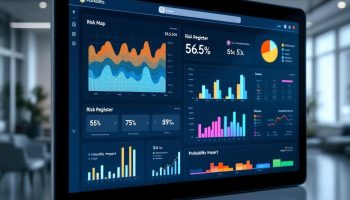
6. Create Visual Dashboards for Data Interpretation
Transforming raw performance metrics analysis into visual formats enhances understanding across your organization. Design intuitive dashboard interfaces that display real-time performance metrics in easily digestible formats like charts, graphs, and heat maps. These visualizations help stakeholders quickly identify trends and patterns without wading through complex data sets.
Incorporate drill-down capabilities that allow users to investigate metrics at various levels of detail. This functionality enables your team to explore strategic dashboards thoroughly, moving from high-level KPIs to granular performance data as needed. When building your dashboards:
- Organize related metrics into logical groupings
- Use consistent color schemes to highlight performance thresholds
- Include trend indicators to show directional movement
- Provide comparative views (actual vs. target, current vs. previous periods)
Customize dashboard views based on user roles, ensuring each stakeholder sees relevant performance metrics for their responsibilities. Remember that effective dashboards balance comprehensive information with visual clarity to avoid overwhelming users with excessive details.
7. Develop a Regular Reporting Cadence for Performance Metrics Analysis
Establishing consistent rhythms for performance metrics analysis creates accountability and ensures timely decision-making. Begin by mapping different metrics to appropriate reporting frequencies—daily metrics for operational data, weekly for tactical adjustments, and monthly or quarterly for strategic performance metrics analysis.
Create a structured calendar that defines when specific metrics will be reviewed and by whom. This prevents information overload while maintaining momentum in performance improvement initiatives. For example:
- Daily: Production rates, customer service response times
- Weekly: Sales performance, marketing campaign effectiveness
- Monthly: Financial KPIs, customer retention metrics
- Quarterly: Strategic goal progress, market position analysis
Your reporting schedule should align with strategic planning cycles and provide enough time for teams to implement changes between reviews. Automated notifications can help maintain this cadence, reminding stakeholders when reviews are due.
Consistency in reporting timing builds organizational discipline and makes performance metrics analysis a fundamental business rhythm rather than a sporadic activity. When teams know metrics will be regularly examined, they’re more likely to proactively monitor and address issues before formal review sessions.
8. Implement Contextual Analysis Methods
When analyzing performance metrics, you need to consider the broader context surrounding your data. Effective performance metrics analysis requires examining external factors that might influence outcomes rather than viewing metrics in isolation. Market conditions, seasonal variations, industry trends, and economic indicators all provide crucial context for understanding metric fluctuations.
Consider implementing these contextual analysis approaches:
- Environmental scanning: Regularly monitor industry publications, competitor activities, and economic indicators to identify external influences on your performance metrics.
- Comparative analysis: Benchmark your metrics against industry averages and competitive analysis data to gain perspective on relative performance.
- Trend analysis: Look for patterns over extended time periods rather than reacting to single data points that may represent anomalies rather than meaningful shifts.
- Multi-metric correlation: Examine relationships between different performance metrics to identify cause-effect patterns that simple single-metric analysis might miss.
The true value of performance metrics analysis emerges when you integrate time series analysis with contextual understanding. By connecting your metrics to both internal operations and external conditions, you transform raw data into meaningful business intelligence that drives strategic decisions.
9. Translate Metrics into Actionable Insights
The true value of performance metrics analysis lies not in the numbers themselves but in what you do with them. When analyzing metrics, focus on identifying the root causes behind significant changes or patterns. Does your customer satisfaction score show a decline? Dig deeper to determine if this stems from product quality issues, support team challenges, or communication breakdowns.
Transform these findings into specific, measurable action plans. For example, if schedule variance metrics show consistent delays in project delivery, develop targeted solutions like process optimization, resource reallocation, or training programs.
Consider these approaches when converting metrics to actionable insights:
- Conduct root cause analysis sessions with cross-functional teams
- Map metric trends to specific operational activities
- Prioritize issues based on business impact and strategic alignment
- Develop hypothesis-driven experiments to test potential solutions
- Assign clear ownership for each improvement initiative
Remember that performance metrics analysis becomes valuable only when it drives meaningful change. Create accountability by documenting who will implement recommendations, specific timelines, and how you’ll measure success of these interventions.
10. Establish a Continuous Feedback Loop for Performance Metrics Analysis
The final pillar of effective performance metrics analysis involves creating an ongoing system for evaluation and improvement. Your metrics should never remain static but evolve alongside your organization’s changing needs. Performance metrics analysis requires regular assessment of whether your current measurements still provide actionable intelligence or have become outdated.
Implement a structured review process where stakeholders can evaluate metric effectiveness quarterly. This helps identify which metrics continue to drive value and which require modification. Consider these approaches:
- Schedule dedicated metric review sessions with key decision-makers
- Document feedback systematically to track evolving measurement needs
- Test new metrics alongside existing ones before full implementation
- Retire metrics that no longer align with strategic priorities
Feedback loops also enhance stakeholder engagement by demonstrating your commitment to improvement. When team members see their input reflected in metric refinements, they develop greater buy-in to the measurement process.
Remember that organizational priorities shift over time. What you measure today may not reflect tomorrow’s critical success factors. By establishing this continuous cycle of assessment and refinement, you ensure your performance metrics analysis remains relevant and impactful.

Performance metrics analysis transforms raw organizational data into strategic insights through a systematic examination of key indicators aligned with business objectives. This analytical process encompasses everything from establishing relevant benchmarks and implementing robust data collection systems to creating visual dashboards and developing actionable recommendations that drive continuous improvement.
Performance metrics analysis serves as the backbone of informed decision-making for enterprise organizations, enabling leaders to identify trends, anticipate challenges, and capitalize on opportunities before they become apparent. By establishing a data-driven culture through systematic metrics analysis, businesses can optimize resource allocation, improve operational efficiency, and maintain a competitive advantage while ensuring accountability at all organizational levels and providing clear evidence of progress toward strategic goals.
Mastering Performance Metrics: Key Insights for Business Intelligence
Performance metrics analysis forms the foundation of strategic decision-making in today’s data-driven business landscape. By systematically examining organizational data through carefully selected indicators, companies can transform numbers into actionable intelligence that drives improvement and competitive advantage. The comprehensive approach outlined in this article—from aligning metrics with strategic goals to establishing continuous feedback loops—provides a framework for extracting maximum value from performance measurement.
Steps to Enhance Your Metrics Analysis
- Align all metrics with specific organizational goals to ensure strategic relevance
- Implement a balanced mix of leading and lagging indicators for comprehensive performance visibility
- Establish clear benchmarks from both internal historical data and external industry standards
- Develop automated data collection systems with built-in quality validation processes
- Apply appropriate statistical techniques like regression and variance analysis
- Create visual dashboards that make complex data accessible to all stakeholders
- Establish a consistent reporting cadence appropriate for different metric types
- Incorporate contextual analysis to understand environmental factors affecting performance
- Translate metrics into specific, actionable recommendations with clear ownership
- Implement feedback loops to continuously refine your measurement approach
Frequently Asked Questions
What is the difference between leading and lagging indicators in performance metrics analysis?
Leading indicators are predictive measurements that signal future performance (like employee engagement or customer satisfaction), while lagging indicators measure historical results (such as revenue or market share). Effective analysis requires both types to understand both what happened and what might happen next.
How often should performance metrics be analyzed?
Different metrics require different analysis frequencies. Operational metrics may need daily review, tactical metrics weekly examination, and strategic KPIs monthly or quarterly analysis. Establish a structured calendar that prevents information overload while maintaining performance momentum.
How can I ensure my metrics analysis drives actual business improvement?
Focus on translating metrics into actionable insights by identifying root causes behind significant changes, conducting cross-functional analysis sessions, and creating specific action plans with clear ownership and timelines. Metrics analysis is only valuable when it drives meaningful change.
What role do benchmarks play in performance metrics analysis?
Benchmarks provide essential reference points that contextualize your data, allowing you to measure progress against industry standards, historical performance, or strategic targets. Without these baselines, raw data lacks meaning and cannot effectively guide decision-making.
How do I balance comprehensive data collection with practical implementation?
Focus on quality over quantity by identifying the metrics most aligned with your strategic objectives. Automate data collection where possible, implement validation protocols, and regularly review your measurement framework to eliminate metrics that no longer provide valuable insights.
What visualization techniques work best for presenting performance metrics?
Effective visualizations depend on your audience and metrics type. Charts, graphs, heat maps, and dashboards with drill-down capabilities typically work well. Ensure consistent formatting, logical organization of related metrics, and an appropriate level of detail for different stakeholders.