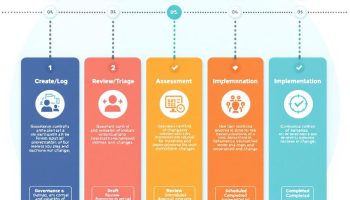

A Project Stage Plan Example
A project stage plan example offers a comprehensive roadmap for business success, converting high-level concepts into actionable strategies across different methodologies. Creating a detailed plan with scheduling, resource allocation, and budget considerations can reduce business risks by up to 30% and establish a clear baseline for project execution.
Key Takeaways:
- A well-structured project stage plan reduces project risks and improves success rates
- Essential components include executive summary, scope statement, and SMART objectives
- Work Breakdown Structure (WBS) helps decompose complex projects into manageable tasks
- Critical Path Method and scheduling techniques enable more precise project timeline management
- Establishing clear task dependencies and milestones is crucial for effective project planning
The foundation of successful project management starts with proper planning. Your ability to map out each stage creates clarity for stakeholders and team members alike. Project plans vary based on industry and methodology, but they all share common elements that drive projects forward.
Each stage requires specific documentation and approval processes. You’ll find that breaking down large initiatives into smaller, manageable phases improves oversight and control. This approach allows for regular assessment points where you can evaluate progress and make adjustments.
Resource allocation becomes more accurate when you understand exactly what each phase demands. Teams perform better with clear expectations about their roles and responsibilities at every project stage. The specificity of a good stage plan eliminates confusion about who does what and when.
Risk assessment should be integrated throughout your plan. Identifying potential obstacles at each stage lets you develop mitigation strategies before problems arise. This proactive approach saves time and resources that would otherwise be spent on emergency responses to unexpected issues.
Budget tracking becomes straightforward when tied to specific stages. You can monitor expenditures against planned costs at defined checkpoints, making financial management more transparent and controllable. This prevents the common problem of discovering budget issues only after they’ve grown serious.
Your stage plan serves as a communication tool that aligns everyone’s understanding of project goals and timelines. Regular updates keep stakeholders informed without overwhelming them with excessive detail. This balanced approach maintains engagement while providing necessary oversight.
“A well-structured project stage plan is the cornerstone of transforming ambitious business concepts into actionable strategies, drastically reducing risks and elevating success rates. By meticulously mapping out every detail—from scope and objectives to timelines and resource allocation—organizations can navigate complexities with clarity and confidence.”
Understanding Project Stage Planning in the Management Lifecycle
Project stage planning serves as the cornerstone of successful project execution, forming the critical second phase in the five-phase project management lifecycle defined by PMI’s PMBOK. This essential process creates a comprehensive project stage plan example that includes scheduling, resource allocation, and budgetary considerations to guide your implementation efforts.
A well-structured project stage plan example reduces significant business risks by up to 30%, including scope creep, budget overruns, and timeline delays that often derail projects. You’ll establish a baseline that serves as the reference point throughout execution, allowing for more effective plan vs actual tracking and performance measurement.
What makes project stage planning versatile is its adaptability across different methodologies. Whether you’re using waterfall approaches with detailed WBS upfront, agile frameworks with product backlogs and sprints, or hybrid models, the planning stage remains crucial. Unlike the initiation phase which focuses on high-level concepts, stage planning transforms these ideas into actionable roadmaps.
Essential Components for Your Project Stage Plan Example
Your project stage plan example should include these critical elements to ensure comprehensive coverage:
- Executive Summary – Providing a high-level overview of purpose, goals, and anticipated outcomes
- Scope Statement – Clearly defining what’s included and excluded with specific deliverables
- SMART Objectives – Setting specific, measurable, achievable, relevant, and time-bound targets
- Work Breakdown Structure – Creating a hierarchical decomposition of project activities
- Timeline with Milestones – Establishing a phased structure with key dates and deliverables
- Budget and Cost Baseline – Outlining total estimates with acceptable variance thresholds
For effective scheduling within your project stage plan example, you should incorporate proven techniques like the Critical Path Method to identify tasks that determine project duration. PERT charts vs Gantt charts offer different visualization approaches – PERT providing three-point estimation for uncertain timelines, while Gantt charts display dependencies and parallel tasks more clearly.
Task sequencing represents another vital element in your project stage plan example, with dependencies such as Finish-to-Start (most common), Start-to-Start, and Finish-to-Finish determining the logical flow of activities. This sequencing helps prevent bottlenecks and ensures resources are utilized efficiently throughout the project lifecycle.
A well-executed project plan can improve project success rates by as much as 40%.
forbes.com
Core Components of an Effective Project Stage Plan
Your project stage plan forms the backbone of successful project execution. A well-structured project stage plan example should contain several essential elements that guide your team from inception to completion while minimizing risks and maximizing efficiency.
The executive summary provides a high-level overview of your project’s purpose, goals, and anticipated outcomes. For instance, if you’re implementing AI for personalized fitness recommendations, this section briefly describes the vision and business value of the initiative.
Your scope statement clearly defines what’s included and excluded from the project with specific deliverables and acceptance criteria. This prevents scope creep by establishing boundaries early. A typical project stage plan example might allow for 2-3 revision rounds before finalization.
SMART objectives give your project measurable targets to aim for. These might include reducing booking time by 30% or achieving 90% user satisfaction within six months of implementation. Clear objectives help maintain strategic vision alignment throughout execution.
The Work Breakdown Structure (WBS) hierarchically decomposes your project into manageable work packages. This visual breakdown helps in:
- Identifying all necessary tasks required for completion
- Organizing work logically by phase or deliverable
- Assigning responsibility for specific components
- Creating accurate time and resource estimates
Your timeline should incorporate key milestones that mark significant achievements in the project stage plan example. For instance:
- Phase 1: Requirements gathering completed by Week 4
- Phase 2: Design approved by Week 12
- Phase 3: Full system rollout by Week 37
The budget and cost baseline establish financial parameters with control thresholds. A typical project stage plan example might allocate $200,000 with a 10% variance threshold, requiring formal approval for expenditures exceeding this limit.
Implementation Timeline Structure
The timeline structure in your project stage plan example should incorporate specialized scheduling techniques. The Critical Path Method (CPM) helps identify which tasks determine the shortest possible project duration. Meanwhile, the Program Evaluation and Review Technique (PERT) offers three-point estimation for projects with uncertain timelines.
Your visual timeline representation should show dependencies between tasks through a Gantt chart. This helps your team understand task relationships including Finish-to-Start, Start-to-Start, and Finish-to-Finish dependencies. Proper project constraints dependencies management prevents bottlenecks and ensures smooth progression through project stages.
Expert Insight: To create an effective project stage plan, ensure it contains a comprehensive executive summary that articulately conveys the project’s goals and value, keeping all stakeholders aligned. Clearly define the scope with specific deliverables and SMART objectives to maintain focus and prevent scope creep, supported by a thorough Work Breakdown Structure that organizes tasks and assigns responsibilities. Finally, leverage visual tools like Gantt charts to map out the timeline, incorporating critical path and dependency management techniques to streamline workflows and mitigate risks.
Work Breakdown and Scheduling Techniques
Creating an effective project stage plan example requires mastering work breakdown structures and scheduling techniques. You’ll need these foundational elements to transform abstract project goals into actionable steps that your team can execute and track.
A work breakdown structure (WBS) serves as the backbone of your project stage plan example. This hierarchical decomposition breaks your project into smaller, manageable components that make complex initiatives digestible. Start by dividing your project into major deliverables, then break these down into work packages of 8-80 hours each. This granularity helps you improve project communication and ensure nothing falls through the cracks.
Once you’ve established your WBS, apply these scheduling techniques to create a robust project stage plan example:
- Critical Path Method (CPM) – Identify the sequence of dependent tasks that determine your project’s minimum duration.
- Program Evaluation and Review Technique (PERT) – Calculate realistic timelines using three-point estimation (optimistic, most likely, pessimistic).
- Gantt Charts – Visualize your schedule with horizontal bars representing task durations and dependencies.
- Resource Leveling – Adjust your schedule to address resource constraints and prevent overallocation.
The relationship between tasks forms the framework of your project stage plan example. You’ll need to establish dependencies that dictate the sequence:
Task Dependency Types in Project Stage Planning
| Dependency Type | Description | Project Stage Plan Example |
|---|---|---|
| Finish-to-Start | Task B can’t start until Task A finishes | Testing can’t begin until development completes |
| Start-to-Start | Task B can’t start until Task A starts | Documentation begins when development starts |
| Finish-to-Finish | Task B can’t finish until Task A finishes | Training completion depends on implementation completion |
| Start-to-Finish | Task B can’t finish until Task A starts | Support team can’t end setup until usage begins |
Your project stage plan example should include buffer time for uncertainties. This approach helps effective risk response planning and prevents cascading delays when individual tasks encounter problems.
When creating your schedule, avoid common pitfalls like overoptimistic timelines and ignored dependencies. Instead, build a realistic project stage plan example that acknowledges your team’s capacity and accounts for project roadblocks that might emerge.
Expert Insight: To create an effective project stage plan, begin with a detailed work breakdown structure (WBS) that decomposes the project into manageable components and work packages. Next, utilize scheduling techniques like the Critical Path Method and Gantt Charts to visually map out task dependencies, ensuring you account for buffer time to mitigate risks and prevent delays. Finally, maintain a realistic perspective on timelines and your team’s capacity to avoid common pitfalls and enhance project communication.