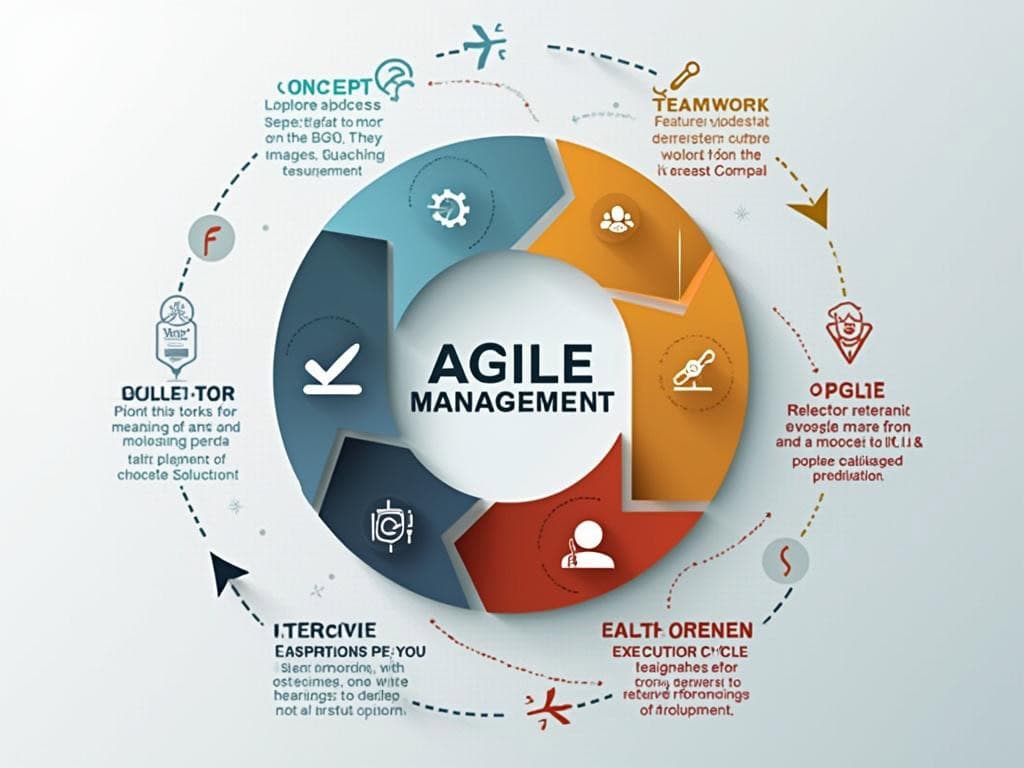
Agile Steps Explained: A Guide to Iterative Project Success
Agile steps: Transform project management with iterative cycles, short sprints, and continuous feedback for improved adaptability and client satisfaction.

Agile steps: Transform project management with iterative cycles, short sprints, and continuous feedback for improved adaptability and client satisfaction.
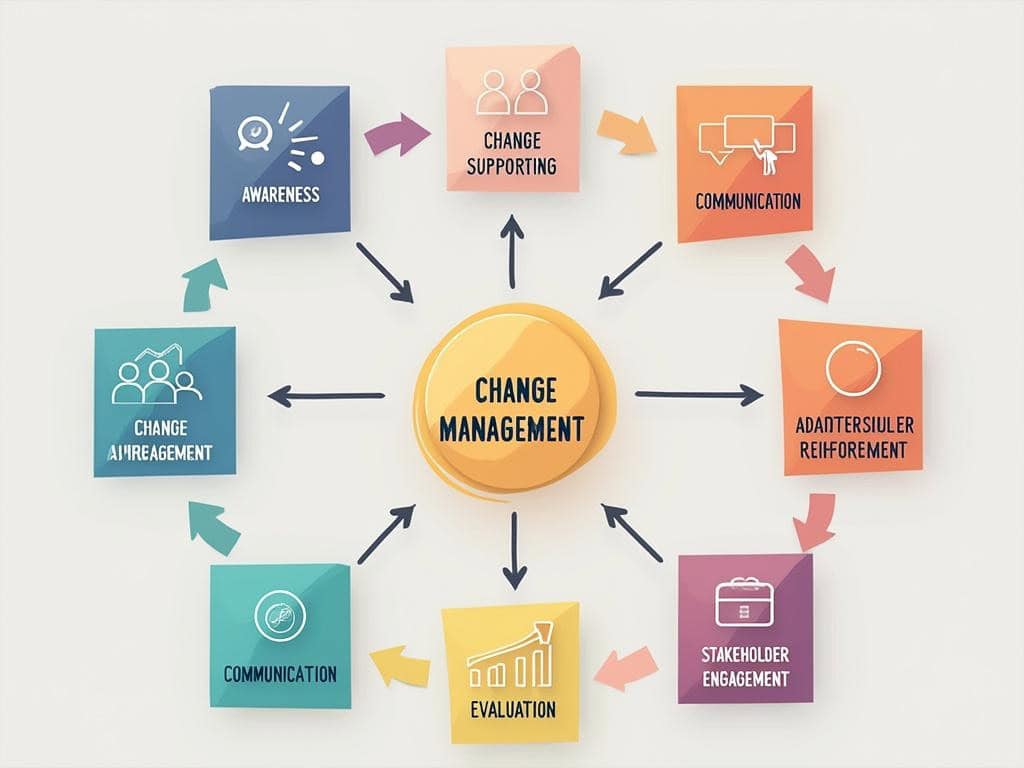
Change management cycle: A structured approach enhances transformation success, fostering adaptability, communication, and leadership engagement for lasting impact.

Organizational development change management: A strategic approach to drive sustainable transformations through employee engagement and adaptive capabilities.

Staff games: Enhance employee engagement and workplace culture through fun interactions, boosting creativity, productivity, and team unity.

Tools for effective project management: streamline tasks, enhance collaboration, and boost transparency for successful project execution.

PMBOK: The Project Management Body of Knowledge provides a vital framework for managing projects effectively across diverse industries and challenges.

Project schedule using Excel: A flexible tool for improving visibility, accountability, and resource management in project management.

Program management report templates: Enhance transparency and accountability, streamline reporting, and drive strategic success in complex initiatives.

Distributed agile model: Revolutionizing software development by enabling global collaboration, enhancing productivity, and improving project success rates.

Terms of Reference (ToR): Essential project blueprints that define objectives, scope, and stakeholder expectations for successful execution.